G7 AI “Kill Switch” Debate Sparks Global Tech Sovereignty Concerns
By Jeffrey | 2026-06-18T11:13:15.897Z
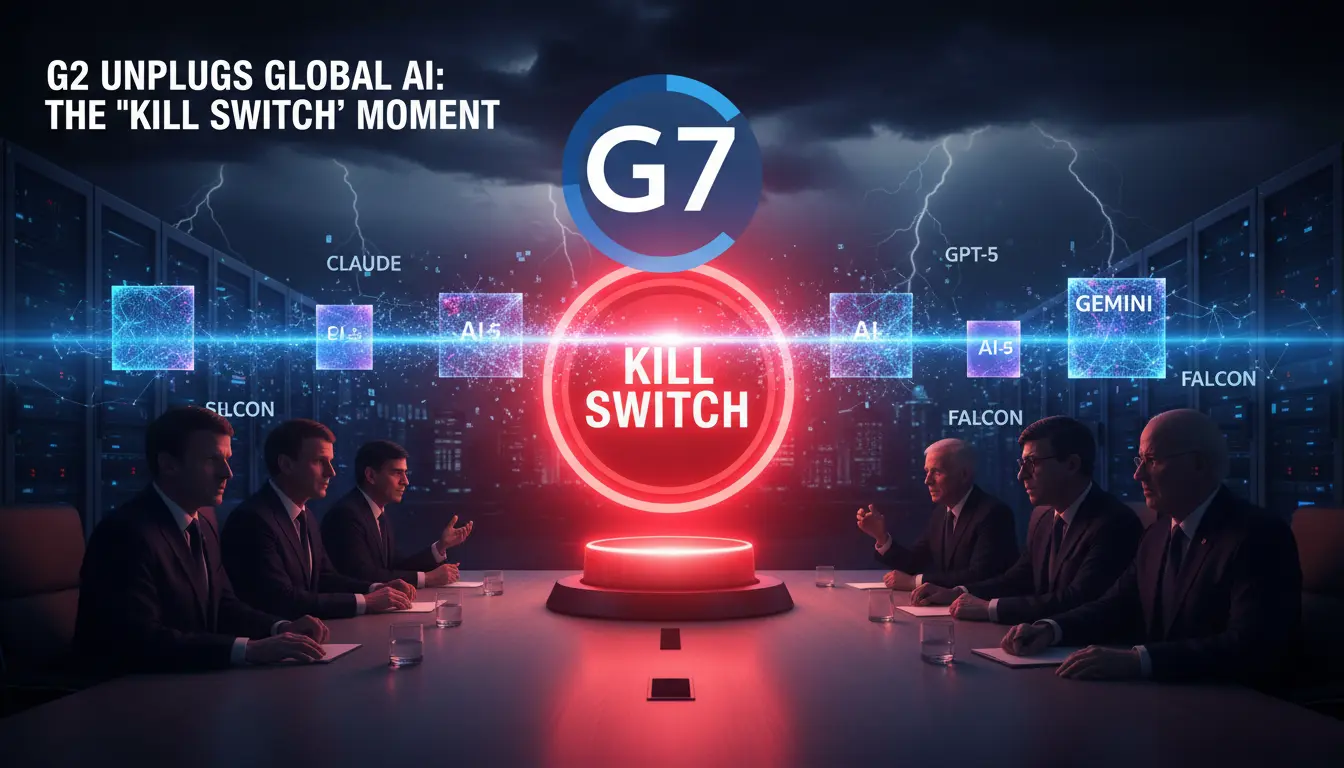
Artificial intelligence became a central issue at the latest G7 Summit, following reports that the US administration restricted foreign access to advanced models developed by Anthropic.
AI Governance Dominates G7 Agenda Amid Rising US–EU Tensions
Artificial intelligence became a central issue at the latest G7 Summit, following reports that the US administration restricted foreign access to advanced models developed by Anthropic. The move has intensified global debate over the possibility of a US-controlled “kill switch” mechanism for frontier AI systems.
The decision is being interpreted by analysts and policymakers as a precedent-setting step: the first known instance of a government limiting international access to cutting-edge AI capabilities at scale. The development has triggered renewed concerns over technological sovereignty, supply chain control, and regulatory fragmentation across allied economies.
Escalating Concerns Over AI Control and Global Access
The restriction has amplified long-standing tensions between AI leadership and equitable access. Critics argue it consolidates disproportionate control of frontier systems within the United States, while supporters frame it as a necessary national security measure.
The summit also highlighted the concentration of AI leadership among US-based firms, with senior executives from major companies in attendance, including:
OpenAI (Sam Altman)
Google DeepMind (Demis Hassabis)
Anthropic (Dario Amodei)
European leaders, particularly French President Emmanuel Macron, have reiterated calls for broader international access to advanced AI systems, arguing that current dynamics risk entrenching a US-centric technological hierarchy.
Broader Geopolitical Flashpoints at the Summit
Trump–Modi Diplomatic Reframing
Separate from AI discussions, the summit also saw notable diplomatic signalling between former US President Donald Trump and Indian Prime Minister Narendra Modi. Trump publicly described Modi in conciliatory terms, signaling a shift in tone despite previous trade and security tensions between the two countries.
US–Iran Draft Agreement Leak
Reports also emerged of a leaked 14-point draft framework discussed at the summit involving the United States and Iran. The proposal reportedly includes provisions for a ceasefire mechanism, reopening of key maritime routes, and phased financial arrangements involving frozen assets.
While details remain unverified, the leak has added further geopolitical volatility to an already high-pressure summit environment.
Space Sector Setback: Starship Review
In parallel, the US Federal Aviation Administration (FAA) has reportedly required corrective measures affecting operations of SpaceX following safety reviews of its Starship program. The directive introduces additional regulatory hurdles for the company’s long-term launch roadmap.
Why the AI “Kill Switch” Debate Is Driving Global Attention
Analysts identify several structural factors behind the high visibility of the AI governance dispute:
Regulatory precedent: Potential establishment of state-level control over frontier AI access
Market concentration: Dominance of US firms in advanced model development
Geopolitical fragmentation: Diverging US–EU approaches to AI governance
High-profile participation: Involvement of major technology executives and political leaders
Strategic implications: Direct impact on research access, defense systems, and commercial deployment
Outlook
The G7 discussions signal an emerging phase in global AI governance defined less by technical competition and more by regulatory control. If current trajectories persist, AI access may become a core axis of geopolitical negotiation alongside energy and defense policy.